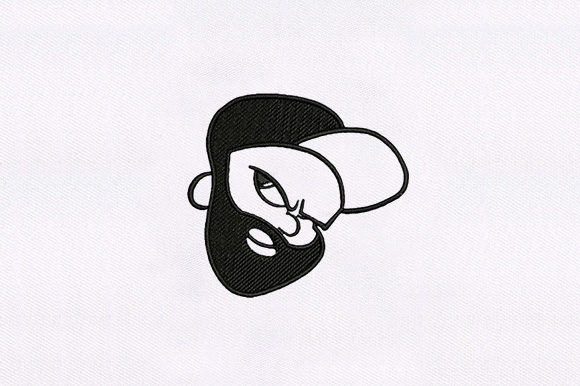
Street Guy Homie: A Designer’s Review for Apparel
When I’m curating a new collection for my boutique, every machine embroidery design needs to earn its place. It has to bring a distinct visual personality, commercial viability, and technical reliability to the table. Recently, I took a close look at the Creative Fabrica embroidery file titled Street Guy Homie to see if it could anchor a small sweatshirt and hoodie drop. Here is my honest breakdown from a professional designer’s perspective, focused on real-world custom apparel production.
First Impressions and Visual Personality
The first thing that struck me about Street Guy Homie is its confident, laid-back energy. This is not a delicate, feminine floral or an overly complex geometric pattern. It has a raw, hand-drawn, almost graffiti-inspired feel that translates perfectly into casual streetwear. The stitching mood is bold yet approachable, fitting squarely into the Fashion category with a trendy, minimalist aesthetic. It feels premium in its simplicity and works exceptionally well on neutral sweatshirts, pastel hoodies, and dark apparel. For handmade businesses targeting a unisex or urban-inspired audience, this design hits the sweet spot between playful and cool.
Apparel Performance and Strategic Placement
Understanding where to place a design is just as important as the design itself. Here is how Street Guy Homie performs across different garment types and placements.
Sweatshirt and Hoodie Chest Placement
In my testing, Street Guy Homie shines as a chest logo. Centered on a classic crewneck sweatshirt or a cozy oversized hoodie, it creates an instant focal point. The stitch density is generally well-suited for the stable surface of heavy-weight fleece. For hoodie design, this placement offers maximum visual impact without overwhelming the garment. It reads as a signature piece, perfect for a boutique brand looking to establish a signature look.
Sleeve Accents and Back Designs
For shops looking to create a cohesive collection, this design works surprisingly well as a vertical sleeve accent on a denim jacket or bomber. Because of its composition, it does not feel cramped when scaled down slightly for a sleeve. On the back of a hoodie, it can serve as a bold statement piece, especially in a single, high-contrast thread color. This versatility is a major advantage for commercial embroidery projects where you need one design to work across multiple formats.
Tote Bags and Lifestyle Products
Beyond apparel, this digital embroidery file is a natural fit for tote bags. The sturdy canvas or cotton base of a tote handles the stitch density well, and the design’s street-art vibe looks fantastic on a market bag or a branded gift-with-purchase. This expands the product range for any Etsy seller or small shop product lineup without needing a new design.
T-Shirt and Fitted Garment Applications
This is where placement and fabric choice get critical. Lighter-weight tees will require a medium weight cut-away stabilizer to prevent puckering from the stitch density. A small chest placement on a structured t-shirt, however, looks incredibly sharp and lends a premium, ready-to-wear feel to the finished product. If you are stitching on ribbed fabric or curved surfaces, careful hooping and stabilization are mandatory to prevent distortion.
Technical Breakdown for Production Success
As an experienced designer, I always look under the hood before committing to a production run. Here is my technical assessment of how Street Guy Homie behaves on the machine.
Stitch Density and Fabric Texture
When I first opened the embroidery file, I paid close attention to the underlay and stitch patterns. The density appears moderate, which is good news for sweatshirt embroidery. Dense designs can sometimes cause issues on fleece, leading to a “drowning” effect where the stitches sink into the fabric. Based on the visual profile, I recommend testing on a scrap piece of your exact fabric, especially if you are working with a textured or fluffy fleece.
Stabilizer and Hoop Size
For a project like this, the right stabilizer is non-negotiable. I would use a tear-away or cut-away stabilizer depending on the garment. A cut-away is my go-to for stretchy fabrics like ribbed cuffs or slub knits. You must confirm the hoop size required by checking the file details on the product page before you start hooping. The description mentions it comes with multiple formats, but I always verify compatibility with my machine.
Thread Color and Contrast
The beauty of Street Guy Homie is its versatility. For a high-street aesthetic, I’d use a single bold color—like stark white on a black hoodie, or vibrant yellow on a navy crewneck. For a more subtle, boutique feel, tone-on-tone Embroidery (e.g., black thread on a charcoal hoodie) adds a touch of hidden luxury. This approach works beautifully for printable mockup creation and lifestyle product photos, as the design reads clearly without being overly flashy.
Commercial Value and Brand Identity
As a small shop product, Street Guy Homie has strong potential to drive product recognition and buyer trust. Using it consistently across a collection—on hoodies, beanies, and totes—creates a cohesive brand identity. This visual consistency is key for customer engagement on platforms like Instagram and Pinterest.
For Etsy listings and social media graphics, this design photographs beautifully. It does not rely on dozens of thread colors, so it pops well in handmade product photography. Adding this design to a capsule collection elevates the perceived value of the apparel. A well-executed machine embroidery design signals quality and intention, helping handmade businesses justify their pricing and build a loyal following.
Practical Designer Notes and Final Checks
Before you run a full production batch, here are my non-negotiable steps for any new Creative Fabrica embroidery purchase.
- Test on Scrap Fabric: Always stitch out Street Guy Homie on a scrap of your target fabric. This verifies the stitch density, tension, and overall look. What works on a cotton twill tote might not work on a stretchy rayon blend hoodie.
- Check Your Stabilizer: For stretchy fabrics, a high-quality cut-away stabilizer is your best friend. For stable fabrics, a tear-away might suffice. Do not skip this step, especially with a design that has substantial fill areas.
- Review Product Details: The product description says it “comes with multiple embro,” but I always recommend checking the specific file formats, stitch density, and hoop size listed on the product page. Every machine is different, and you want to ensure compatibility with your commercial embroidery setup.
- License and Commercial Use: This is crucial for handmade businesses. Review the licensing terms provided by Creative Fabrica for this specific embroidery file. Ensure you understand the terms for selling finished products (like sweatshirts or totes) made with this file. Most creators on the platform offer a commercial license, but it is your responsibility to confirm.
- Placement Considerations: Because of its street-style silhouette, be mindful of curved surfaces. A placement on the front of a fitted t-shirt will curve differently than on a flat tote bag. Use a placement tool or a template to ensure it sits perfectly every time.
Final Verdict for Apparel Decorators
For apparel decorators and boutique owners looking to inject a dose of cool, confident street style into their lineup, Street Guy Homie is a strong contender. It is versatile enough for a range of products—from sweatshirt embroidery to tote bag design—and its visual mood speaks directly to the modern, urban consumer. As with any digital embroidery file, due diligence on the technical side will ensure your finished product looks professional and sells well. This is a design that, when executed properly, has the potential to become a signature piece in your custom apparel collection.