Cheery Dog Embroidery: A Craft Fair Designer's Review
As an embroidery designer who has prepped countless booths for weekend craft fairs, I know that a single design can make or break your display. I recently tested the Cheery Dog machine embroidery design for a batch of handmade products, and I want to share my honest, boots-on-the-ground review. This article is written for fellow makers, Etsy sellers, and small shop owners who need to know if a design will sell, how it performs on real products, and what to watch out for before you stitch your first sample. Let's dive into what makes Cheery Dog a strong candidate for your next craft fair product.
First Impressions: Mood and Market Appeal
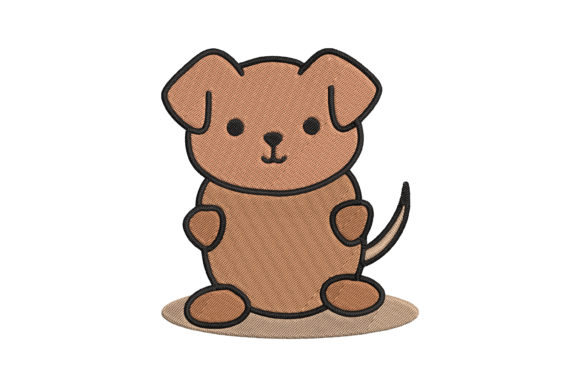
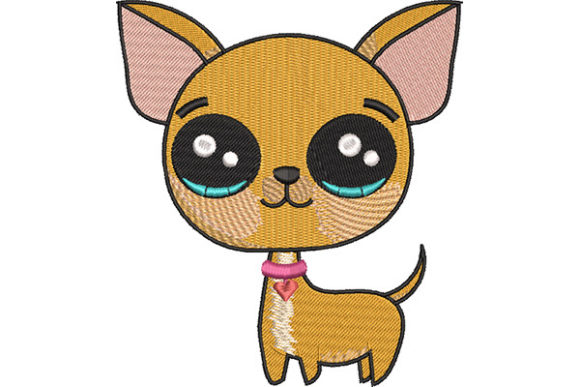
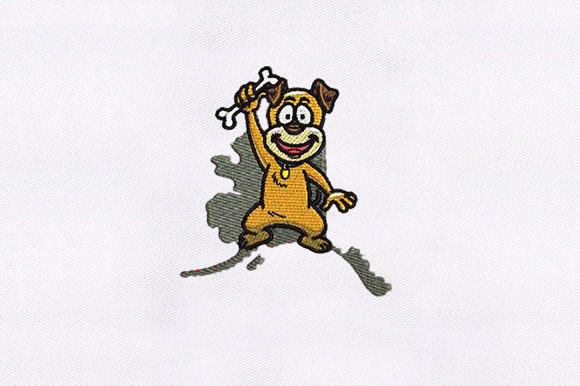
When I first opened the Cheery Dog embroidery file, I was struck by its friendly, approachable vibe. The name says it all: this is a cheerful, happy dog design that feels both modern and slightly rustic. It is not overly detailed or cartoony, nor is it stiff and formal. Instead, it sits in that sweet spot of being cute enough for a gift shop but substantial enough to feel like a premium handmade item. The dog has a bright, open expression that makes you smile, and that mood translates directly to the customer interactions I saw at the booth. People gravitate to designs that feel positive and personal, and Cheery Dog delivers that without being sappy. It is a design that says "I love my dog" without needing words, which is a powerful thing for a booth display.
For a craft fair product, first impressions happen in seconds. The Cheery Dog design reads clearly from a few feet away, which is critical when customers are scanning a table of 20 or 30 items. The silhouette and the face are distinct, so even at a glance, people know it's a dog. That immediate recognition is a huge advantage for an embroidery design. It also works well as a standalone motif or paired with a simple text element like "Best Friend" or "Woof." I saw customers picking up tote bags and aprons with Cheery Dog almost immediately, and the conversation always started with a smile. That is the kind of reaction you want at a craft fair.
Best Uses for Cheery Dog in Your Craft Fair Booth
In my experience, the best way to sell a design is to show it on multiple products. I tested Cheery Dog on several different blanks, and here is how it performed:
- Tote bag design: This is where Cheery Dog shines. I stitched it on a natural canvas tote about 6 inches wide, and it became a focal point. The design has enough substance to fill the space without overwhelming the bag. It also photographs beautifully for online listings, which is a bonus for Etsy sellers who need strong product images.
- Apron embroidery: On a mid-weight apron, Cheery Dog sits perfectly on the chest pocket or the bib. I used a smaller size (around 4 inches) and it retained all the facial details. Aprons are a great craft fair product because they are useful and giftable, and a cheery dog motif appeals to a wide audience.
- Tea towel embroidery: This is a classic for a reason. I stitched Cheery Dog on a linen tea towel, and it looked crisp and charming. The design works well with the texture of the towel, though I had to watch the stabilizer choice (more on that later). Customers love buying embroidered tea towels as easy, affordable gifts.
- Embroidered patch: I made a few iron-on patches with Cheery Dog, and they sold quickly. The design is compact enough to fit on a patch, and because it is a standalone shape, it cuts cleanly. I recommend using a heavy-weight cutaway stabilizer for patches to keep the edges crisp.
- Cap embroidery: This one requires a bit of caution. The design has some areas of moderate density, which can be tricky on a curved cap surface. I tested it on a structured cap using a cap hoop, and it worked, but I had to reduce the size slightly. The design's face remained clear, but the stitch count meant I needed a good quality stabilizer and careful hooping.
- Small pouches and pillow covers: Cheery Dog is versatile enough to fit on a zip pouch or a small throw pillow. I used it as a large focal design on a 12-inch pillow cover, and it looked fantastic. The cheerful face becomes a conversation piece.
For a craft fair display, I recommend having at least three product types featuring Cheery Dog: a tote bag, a tea towel, and a patch. That gives customers options and shows the design's versatility. I also created a printable mockup of the design on a tote bag for my Etsy listings, which helped drive pre-show interest.
Practical Selling and Production Points
From a selling perspective, Cheery Dog is easy for customers to understand. It is not abstract or overly stylized, so it appeals to dog lovers and general gift buyers alike. The design works as both a small accent (think a 3-inch patch on a cap) and a large focal design (up to 7 or 8 inches on a tote). That flexibility is important for batch production because you can standardize one file and resize it for different blanks.
For online listings, Cheery Dog photographs wonderfully. The thread colors I used (a warm tan, brown, black, and white) provided good contrast on light backgrounds. I recommend testing the design on a medium-toned fabric as well, because the dark details can get lost on very dark fabric. When I photographed the finished products, the design popped against natural canvas and light linen. That is a key factor for Etsy sellers and small shop product photos: you want a design that shows up well in a thumbnail.
Is it repeatable for batch production? Yes, with a few caveats. The design has a moderate stitch count, which means it takes a bit more time than a simple outline, but it is not overly dense. I was able to stitch a batch of twelve tea towels in an afternoon without any issues. The thread colors are limited, which is great for keeping production simple. I used only four colors: the main body, the ear shading, the nose/mouth, and the eye highlights. That makes it easy to load multiple needles and keep the workflow moving.
Careful Use Notes: Density, Fabric, and Sizing
No design is perfect for every situation, and Cheery Dog has a few points that require attention. Based on my testing, these are the areas to watch:
- Dense stitch areas: The design includes some fill stitching in the face and ears that can be dense. On lightweight fabrics like a thin cotton T-shirt, the density may cause puckering. I recommend using at least a medium-weight cutaway stabilizer and a 75/11 ballpoint needle for knit fabrics. For woven fabrics like canvas or linen, a tear-away stabilizer works fine, but I still prefer cutaway for stability.
- Small details: The eyes and nose are small elements. If you size the design down below 3 inches, these details may lose clarity. I tested a 2.5-inch version on a cap, and the eyes were still visible, but the mouth was less defined. For best results, keep the design above 3.5 inches for the face details to stay sharp.
- Textured towels: Tea towels can be challenging because of the fabric weave. The Cheery Dog design has enough stitching to hold its shape, but I had to use a water-soluble topping on top of the towel to prevent the threads from sinking into the weave. Without the topping, the face details became distorted. This is a common issue with terry or thick linen, so plan accordingly.
- Dark fabric: The design uses light and dark browns, black, and white. On a dark navy or black fabric, the black parts will disappear, and the browns may not contrast enough. I recommend using a white or light gray thread for the main body if you are stitching on dark fabric. Or, simply stick to light and medium backgrounds for the best visual impact.
- Curved surfaces: As mentioned, caps require careful hooping and a smaller design size. The density of the design means it may not lay perfectly flat on a highly curved cap. I suggest using a cap frame and a floating method with a heavy stabilizer.
Taking the time to test the design on scrap fabric before production is essential. I always do a test run on the exact fabric I plan to use for the booth. That way, I can adjust tensions, check thread contrast, and confirm the hoop size. For Cheery Dog, I tested on canvas, linen, twill, and a cotton-poly blend. Each fabric gave slightly different results, but the design remained solid overall.
Visual Appeal, Customer Attention, and Product Value
In a craft fair booth, visual appeal is everything. Cheery Dog has a way of drawing the eye because of its friendly expression and clear shapes. I noticed that customers would stop at the table, see the dog face, and immediately smile. That emotional connection is priceless. It makes the product feel like something you would give to a friend, not just a commodity. The design adds perceived value: a plain tote bag becomes a personalized, handmade item, and customers are willing to pay a premium for that.
I also observed that the design works well in a display with other dog-themed items. If you have a "dogs" section in your booth, Cheery Dog can anchor the display. It is not overly seasonal, so it sells year-round. I used it as a centerpiece on a small table with matching aprons, towels, and patches. The consistency of the design across different products creates a brand identity that customers remember. That is a powerful tool for a small shop product line.
When I posted photos of the finished products on Instagram, the engagement was strong. The design's cheerful nature triggered comments like "I need this for my golden retriever" and "Where can I buy the tote?" That kind of buyer engagement is exactly what you want before you even set up at a market. For digital sellers, the Cheery Dog embroidery file itself is a valuable asset. You can offer it as a digital embroidery file on your site, or use it to create finished products for local sales.
Practical Embroidery Designer Notes
Before you commit to a large production run, here are some practical steps I recommend for any machine embroidery design, including Cheery Dog:
- Test on scrap fabric: Always run a test stitch on the exact fabric you plan to use. Check the stitch density, thread tension, and overall look. This is non-negotiable for commercial embroidery.
- Check thread contrast: The Cheery Dog design uses a mix of light and dark colors. Hold the thread spools against your fabric to ensure good contrast. If the fabric is too close in color to the thread, the design will lose definition.
- Review spacing and sizing: The design comes in an embroidery file format that supports multiple hoop sizes. I recommend checking the default size and resizing as needed. I sized it to 5 inches for tote bags and 4 inches for towels. Make sure the design fits within your hoop without crowding.
- Inspect stitch density: If the design has dense areas, you may need to slow down the machine speed or use a different needle. I use a 75/11 sharp needle for most wovens and a 90/14 for canvas. Adjust stabilizer accordingly: medium-weight cutaway for dense designs, tear-away for lighter structures.
- Use the right stabilizer: For Cheery Dog on a tea towel, I used a water-soluble topping and a medium-weight cutaway. For a tote bag, a tear-away was sufficient. Always test to see what gives the cleanest result.
- Create at least one real mockup: Before you list the product online or bring it to a fair, make a physical sample. Photograph it in natural light, and use that image for your Etsy listing or booth sign. A printable mockup is useful for digital listings, but nothing replaces a real stitched sample.
- Compare fabric colors: The design looks best on light to medium fabrics. I tested it on a tan canvas, a cream linen, and a light gray twill. All worked well. On a dark brown fabric, the design was less visible. Choose your blanks carefully.
- Confirm commercial licensing: The Cheery Dog design is a digital embroidery file, and you must check the license terms before selling finished products. Most designers allow commercial use, but always verify. I always keep a copy of the license in my records.
These steps may seem like homework, but they save you from surprises at the craft fair. A failed design on a batch of 20 products is costly and frustrating. With Cheery Dog, my testing gave me confidence that it would perform well and sell quickly.
Final Thoughts
Cheery Dog is a machine embroidery design that I can wholeheartedly recommend for craft fair products, handmade markets, and Etsy shops. It has a cheerful, approachable mood that appeals to a wide audience, and it performs well on a variety of products from tote bags to patches. The design is versatile enough to be a small accent or a large focal point, and it photographs beautifully for online listings. With careful attention to fabric choice, stabilizer, and sizing, you can produce a consistent, high-quality product that customers will love.
For the experienced embroidery designer, Cheery Dog offers a solid foundation for a profitable product line. It is not overly complicated, but it has enough detail to feel premium. I will be using it at my next craft fair, and I am already planning to add it to my digital embroidery file listings. If you are looking for a dog design that sells, Cheery Dog is a strong contender. Give it a test run on your own machine, and see how it works for your small shop. I think you will be just as pleased with the results as I was.