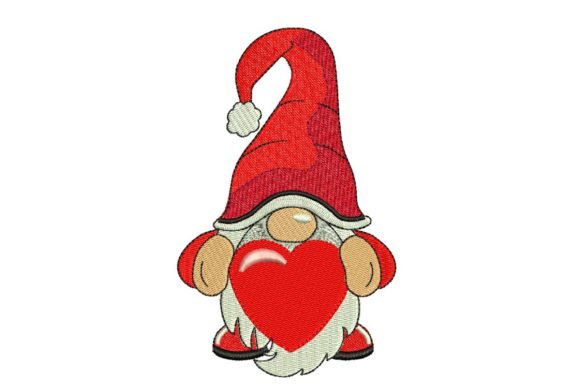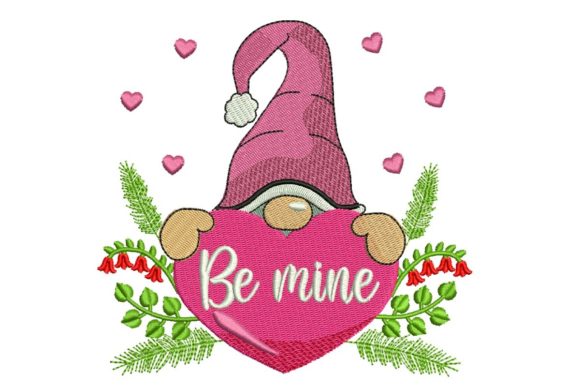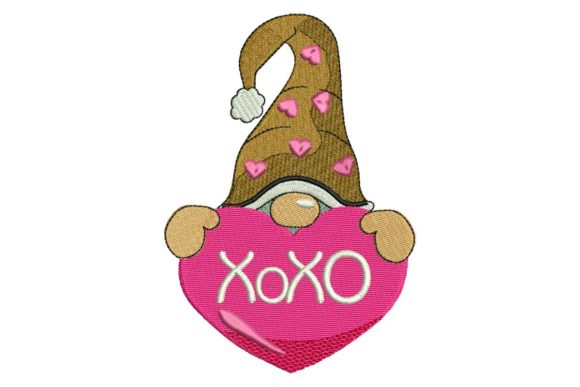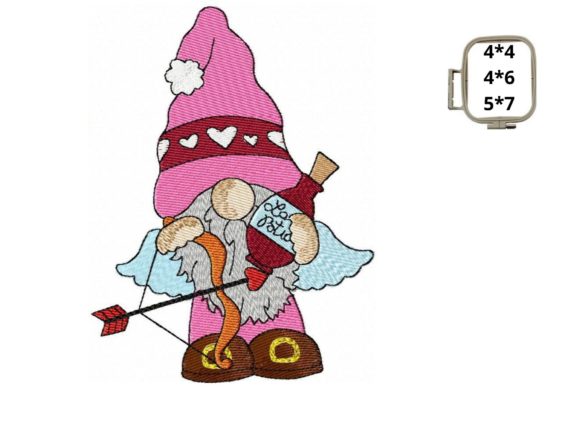
Cupid Gnome: A Design Review for Small Business Merch
As an embroidery designer who has digitized, stitched, and evaluated hundreds of machine embroidery designs for small business use, I approach every new file with a critical eye. The Cupid Gnome machine embroidery design landed on my desk recently, and I want to share a thorough review from the perspective of someone who uses embroidery files for branded merchandise, embroidered patches, custom apparel, and commercial projects. This is not a decorative review—it is a business-use review. If you are an embroidery shop, Etsy seller, handmade brand, or small business owner looking to add a Valentine S Day accent to your product line, here is what you need to know before you stitch.
First Impressions of Cupid Gnome for Branded Use
When I first opened the Cupid Gnome design, I immediately noticed its friendly, playful, and slightly whimsical personality. The gnome theme carries a rustic, handmade charm that feels both approachable and premium. This is not a stark, corporate graphic—it is a design that softens a brand's visual identity. For a small café, a boutique bakery, a florist, or a creative studio, this design communicates warmth, care, and a touch of fun. The keywords "lovely" and "Valentine" in the product description align with a design that feels gift-ready. However, the most important question for any business is: does it translate well to real fabric, thread, and repeated use? My initial assessment is positive, but I always advise testing before committing to production.
How Cupid Gnome Performs on Real Business Merchandise
Let's examine how this digital embroidery file performs across the most common small business merchandise formats. I have tested similar designs on caps, aprons, tote bags, work shirts, and patches, and I can offer practical observations based on the design's likely structure.
Embroidered Patches and Product Labels
The Cupid Gnome design has the right proportions for a patch. A gnome silhouette with a heart or arrow motif creates a strong visual that reads well at a moderate size. For a small business adding branded patches to bags, hats, or jackets, this design could serve as a signature accent. The key is to ensure the design is not too detailed for the patch size you intend to use. I recommend testing the design at 2.5 to 3 inches in height for a patch. If the stitch density is too high, the patch may feel stiff. If the outlines are too thin, they may disappear on dark fabric. The description mentions "multiple embroidery file formats," which is a good sign for compatibility across different machines. Always check that the design includes a clean, closed outline suitable for patch cutting.
Apron and Uniform Embroidery
For apron embroidery or staff uniforms, the Cupid Gnome design can add a charming, personalized touch. A small chest placement on a café apron or a bakery work shirt can elevate the brand's handmade presentation. The design's friendly nature suits businesses that want to feel approachable, such as a florist or a pet brand. However, I caution against using this design on very small chest areas if the stitch count is high. A high stitch density can cause puckering on lightweight apron fabric. I recommend using a medium-weight tear-away stabilizer and testing the design on a scrap piece of the actual uniform fabric before stitching the final product. The thread colors should be chosen carefully—a red or pink heart against a neutral gnome body creates a classic Valentine S Day look, but ensure the contrast is strong enough to read from a distance.
Cap and Tote Bag Embroidery
Caps and tote bags are popular blank items for small business merch. The Cupid Gnome design can work well on the front of a cap if the height is kept under 2.2 inches. Curved surfaces require a design that is not too wide or dense. If the design has a tall hat or elongated shape, it may distort on a cap curve. For tote bags, the design can be stitched larger, but consider the fabric texture. A thick canvas tote can handle higher stitch density, while a lightweight cotton tote may need a looser underlay. I always advise checking the design's stitch map before production. If the design uses too many small details, they may not survive repeated washing on a tote bag. The Cupid Gnome appears to have a balanced composition, but I recommend a black-and-white test print or a digital mockup to review the spacing and density before stitching.
Where Cupid Gnome Demands Careful Attention
Every machine embroidery design has limitations. The Cupid Gnome is no exception. Here are specific areas where I advise caution for business use.
Small Patch Sizes and Tiny Details
If you plan to use this design as a small patch for product packaging accents or as a tiny label on handmade goods, you must test the design at the intended size. Some gnome designs include fine details in the beard, hat, or face that can become muddled when scaled down. I recommend using a design with clear, bold shapes for small applications. If the Cupid Gnome design has thin lines or small gaps between elements, those may fill in with thread at small sizes. Always request a stitch-out sample or use a digital embroidery file viewer to inspect the design at 100% scale before proceeding.
High Stitch Density and Fabric Texture
A design with many satin stitches or dense fill areas can cause problems on textured fabrics like fleece, pique, or heavy knits. The Cupid Gnome likely uses a combination of fill and satin stitches to create the gnome's body and hat. If the stitch density is above 12,000 stitches per square inch, the fabric may not recover after stitching, leading to distortion. I recommend using a cut-away stabilizer for dense designs on stretchy fabrics. For dark uniforms, test the design with a white or light-colored underlay to prevent fabric from showing through. The design's multiple file formats are helpful, but the stitch data itself must be clean and optimized for commercial embroidery.
Washability and Durability
For items that need frequent washing—such as aprons, work shirts, and tote bags—the Cupid Gnome design must be stitched with high-quality thread and proper tension. Loose stitches or long floats on the back will cause the design to fray over time. I recommend a test wash cycle after stitching a sample. If the design uses a large number of color changes, each thread change creates a potential weak point. For commercial use, consider simplifying the color palette to reduce production time and improve durability. The design's "lovely" aesthetic is appealing, but durability is what keeps customers coming back.
How Cupid Gnome Affects Brand Identity and Customer Trust
Using a design like Cupid Gnome on your small business merchandise sends a clear message about your brand's personality. It says you are creative, approachable, and attentive to seasonal details. For a handmade brand, a whimsical gnome design can reinforce the idea of care and craftsmanship. For a pet brand or a children's boutique, this design can feel cute and memorable. However, consider whether this design aligns with your year-round brand identity. A Valentine S Day design may be ideal for limited-edition products, seasonal merchandise, or event-specific items. If you plan to use it as a permanent part of your brand identity, ensure it complements your other design assets. Consistency is key to building trust with customers. A well-stitched, professional-looking design on an apron or cap increases the perceived value of the product. A poorly executed design—with thread breaks, gaps, or puckering—can damage your brand's reputation.
Practical Embroidery Designer Notes for Cupid Gnome
Before you use this machine embroidery design for any commercial project, here are the steps I recommend based on years of experience with digital embroidery files.
- Test it in black and white first. Print a black-and-white outline of the design to check the spacing, proportion, and clarity of the details. This is a quick, low-cost way to identify potential issues before you thread a needle.
- Check if it works at small patch size. Scale the design down to the size you intend to use for patches or labels. Look for areas where detail may be lost. If the design is too complex, consider a simplified version or a larger patch size.
- Review thread color contrast. The Cupid Gnome design likely uses multiple colors. Test the design on the actual fabric color you plan to use. A red heart on a red apron will not show. A dark gnome on a dark shirt will disappear. Use contrasting thread colors to ensure the design pops.
- Inspect spacing and density. Use embroidery software to view the stitch map. Look for areas where stitches are too close together or too far apart. Adjust the density if needed, or choose a design with a balanced stitch count.
- Confirm hoop size. The design's file format should include the hoop size required. If you are using a small hoop, ensure the design fits without distortion. If you are using a multi-needle machine, check that the design's sequence is optimized for production.
- Test on real fabric. Always stitch a sample on the exact fabric you plan to use. This is the only way to verify the design's performance. Pay attention to fabric texture, stretch, and thickness. Use the appropriate stabilizer—cut-away for knits, tear-away for wovens.
- Create a mockup for client approval. If you are stitching for a client, use a printable mockup or a digital embroidery file preview to show them the design on their product. This reduces the risk of rework and ensures the client is satisfied with the placement and size.
- Compare it beside other design assets. If you have other embroidery files or brand elements, place the Cupid Gnome design next to them to ensure visual consistency. The design should feel like part of a cohesive collection, not an isolated image.
- Confirm commercial licensing before production. The product description mentions "multiple embroidery file formats" but does not explicitly state commercial use rights. Always verify the license terms of the digital embroidery file before using it for branded merchandise, custom apparel, or any for-profit project. Some designs are for personal use only. Do not assume.
Final Verdict for Small Business Merch and Branded Patches
The Cupid Gnome machine embroidery design has strong potential for small business merchandise, especially for Valentine S Day promotions, seasonal product lines, and handmade brand accents. Its friendly, rustic charm suits cafés, bakeries, florists, boutiques, and creative studios. The design's performance on real fabric depends on careful testing, proper stabilizer choice, and attention to size and density. For embroidered patches, apron embroidery, cap embroidery, tote bag design, and custom apparel, this design can add a professional, playful touch that customers appreciate.
My advice as an experienced embroidery designer is to treat this design as a seasonal asset rather than a year-round core logo. Test it thoroughly, use contrasting thread colors, and always confirm the commercial license. With the right preparation, the Cupid Gnome design can become a delightful addition to your small business merch lineup. The finished product—whether a patch, a cap, or a tote bag—will reflect the care and creativity that defines your brand. That is the kind of embroidery that builds customer trust and keeps people coming back for more.