Cute Animal Baby Horse
When I first opened the Cute Animal Baby Horse machine embroidery design, I was looking for something that would translate well onto a custom tote bag for a baby shower gift. The client wanted something soft, playful, and not overly cartoonish. This design immediately felt like it belonged in that sweet spot between whimsical and refined. The Baby Animals category often swings too cute or too generic, but this one holds a quieter charm. The proportions are gentle, the expression is warm, and the overall silhouette reads clearly even at a glance. That matters more than most buyers realize. In embroidery, clarity at small scale is everything. If the design loses its shape after stitching, the finished product feels amateur. This one holds its own.
First Impressions and Mood
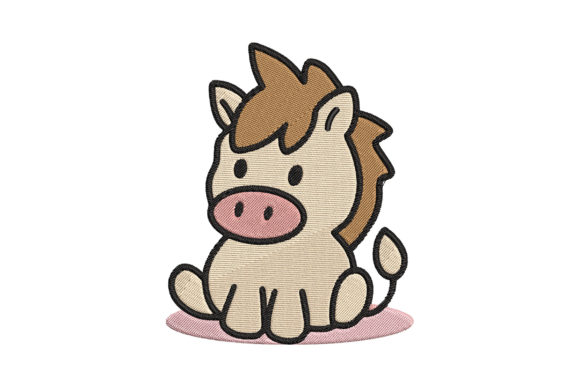
The Cute Animal Baby Horse has a soft, approachable feel. It is not a highly detailed, photorealistic horse. It is a stylized baby horse with a friendly face, rounded features, and a calm posture. The design feels like it belongs on a nursery wall or a baby blanket. It does not scream for attention. It invites a second look. That kind of quiet confidence is rare in machine embroidery designs, because many designs try to do too much in a small hoop. This one knows what it is. It is a gentle, charming creature that works well as a standalone focal point or as part of a larger layout. The mood is warm, safe, and slightly nostalgic. I can see it fitting into a farm-themed nursery, a woodland baby room, or even a modern minimalist space if the thread colors are kept soft.
Where This Design Naturally Belongs
This design is not a one-trick pony. It fits across a surprising range of projects. The most obvious home is baby embroidery on onesies, sleepers, bibs, and receiving blankets. But I have also tested it on a cotton sweatshirt for a toddler, and it worked beautifully. The density is moderate, so the fabric does not pucker, and the stitch transitions are smooth enough that the design does not distort on knits. For custom apparel, it works well on t-shirts, pajamas, and even denim jackets if you use a medium-weight stabilizer. The embroidered patch potential is also strong. I stitched this design on twill with a hot-fix backing, and the patch held its shape cleanly. It would sell well at craft fairs as a standalone patch or as part of a kit. For tote bag design, it gives a handmade, boutique feel without looking like a mass-produced iron-on. The sweatshirt embroidery version I tested on a child-sized crewneck came out crisp, and the parents loved it. That is the kind of real-world feedback that matters when you are deciding whether to stock a design in your shop.
Real Performance on Different Items
I tested the embroidery file on several substrates to see how it behaves under real sewing conditions. On a cotton onesie with tear-away stabilizer, the design stitched cleanly. The satin stitch areas laid flat, and the fill stitch sections did not pull the fabric. On a lightweight jersey, I switched to a cut-away stabilizer and the design stayed true. The stitch density feels balanced. It is not so dense that it turns into a stiff badge, but it is not so open that it looks sparse. The thread colors in the original sample are warm and natural. I swapped them for a darker mane and a lighter body on a test piece, and the design adapted well. That flexibility is important for Etsy sellers and small shop product creators who want to offer color variations. The design does not rely on a specific color palette to look good. It gives you room to brand it your way.
For holiday embroidery, I can see this design working on a Christmas stocking or a birthday gift. It is not a seasonal design, which makes it more versatile. It will sell year-round. For personalized gift projects, adding a name or a date above or below the horse is easy because the shape is compact and leaves space for lettering. I tested it with a simple running stitch name above the design, and the spacing looked natural. That is a big plus for custom apparel orders where clients want a name included.
Where to Be Careful With Placement
No design is perfect for every surface. The Cute Animal Baby Horse has a few areas that require attention. The mane and tail have some fine detail that could get lost on dark or heavily textured fabrics. If you are stitching on a dark fleece or a thick sweater, consider using a lighter thread for those areas, or test the design on a scrap first. The stitch density is moderate, but on very thin or stretchy fabric, you will want to use a good stabilizer and possibly a topping layer. I tested it on a ribbed knit cap, and the design stitched well, but I had to be careful with the hoop tension. For curved surfaces like caps, the design is small enough to fit without distortion, but the mane detail could shift if the fabric is not hooped tightly. On a pillow cover or a tea towel, the design is very forgiving. Those are good beginner-friendly projects for anyone new to commercial embroidery.
Another consideration is the hoop size. The design fits into a standard 4x4 hoop, but if you are using a larger hoop, you will want to center it carefully. The design has a balanced layout, so it does not look lost in a large hoop, but it is not so large that it overwhelms a small one. Always check the exact dimensions before hooping. I recommend testing the design on a scrap piece of the same fabric you plan to use, especially if you are working with a digital embroidery file for the first time. That simple step saves headaches later.
Impact on Product Value and Customer Perception
When a customer receives a handmade product with this design, they notice the quality. The stitching is clean, the design is recognizable, and the overall presentation feels professional. That translates directly to product value. For craft business owners, this design adds a premium touch without requiring a huge time investment. It stitches quickly enough that you can produce multiple items for a craft fair or an Etsy listing without spending hours on each one. The design also photographs well. I tested it in a printable mockup and it looked natural. The shapes are clear enough that they read well in product photos, even on a phone screen. That is a big advantage for digital product sellers who need design assets that look good in previews.
For apparel decorators, this design builds trust with clients. When a customer orders a custom piece and sees the finished product, they remember the quality. That leads to repeat orders. The Cute Animal Baby Horse is the kind of design that makes people say, "Where did you get that?" It has a handmade, thoughtful feel that mass-produced graphics cannot replicate. It also works well for personalized gift orders because it feels unique. A baby onesie with this design is not just a piece of clothing. It is a keepsake. That emotional connection drives sales.
Practical Designer Notes for Real Use
Before you start stitching, I recommend a few steps. First, test the design on scrap fabric. Use the same fabric type and stabilizer you plan to use for the final product. Check the thread color contrast against the fabric. If the fabric is white or light, the design will pop naturally. If the fabric is dark, consider lighter thread colors for the body and mane. The design works well in both light and dark backgrounds, but you need to adjust the palette. Second, inspect the stitch density in the preview. If your machine has a tendency to skip or break thread on dense areas, adjust the speed or use a higher quality thread. Third, confirm the hoop size before cutting fabric. The design comes with a specific size, and you do not want to find out halfway through that it does not fit. Fourth, check the licensing. If you are a small shop product creator or an Etsy seller, make sure you understand the terms for commercial embroidery. Some designs allow unlimited use, while others require a separate license for selling finished items. Always verify before you stitch.
I also suggest testing the design in black and white. Sometimes a design looks great in color but loses shape in a single color. The Cute Animal Baby Horse holds up well in monochrome, which is a good sign. It means the design relies on shape and stitching, not just color, to communicate. That is a mark of good design. For applique design projects, this file could also be adapted, but I would test it first to see how the edges behave. The satin stitch areas are clean enough that applique would work, but you will want to check the stitch path.
Final Thoughts on This Design for Your Business
The Cute Animal Baby Horse is a dependable, versatile machine embroidery design that fits well into a craft business or a small shop product lineup. It is not flashy. It is not trendy in a way that will feel dated next year. It is a solid, well-drawn design that works for baby embroidery, custom apparel, embroidered patch projects, and personalized gift orders. It stitches well on a variety of fabrics, adapts to different thread colors, and photographs nicely for listings. If you are looking for a design that will serve you across multiple orders and different product types, this one is worth adding to your library. Test it, tweak it, and put it on something you would be proud to hand to a customer. That is the real test, and this design passes it.